
Mussolini’s Relationship with the Rases
M: Son of the CenturyThis flow traces Mussolini’s dependence on provincial squad leaders and his repeated attempts to turn their independent violence into a controlled instrument.
increasing Bearing strength in each event
 decreasing
Bearing strength in each eventdecreasingLocal Power Emerges
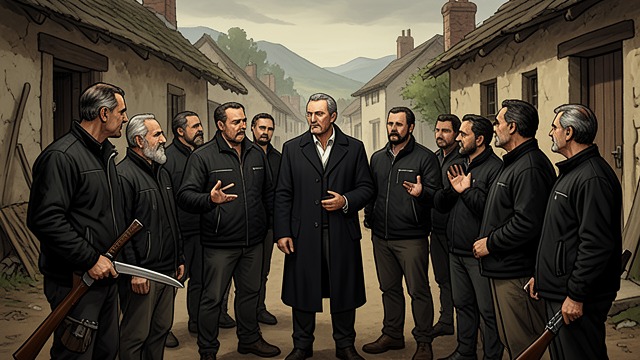
The Rases Build Their Own Fiefs
Regional Commanders
Leaders such as Balbo and Arpinati develop local organizations amid strikes and rural conflict. Their influence rests on personal followings and direct control of armed squads.
A Movement with Many Centers
The provincial leaders help make fascism effective, but their local power challenges Mussolini’s claim to direct the movement. The central leader needs the rases’ strength while fearing their independence.
The Pacification Revolt
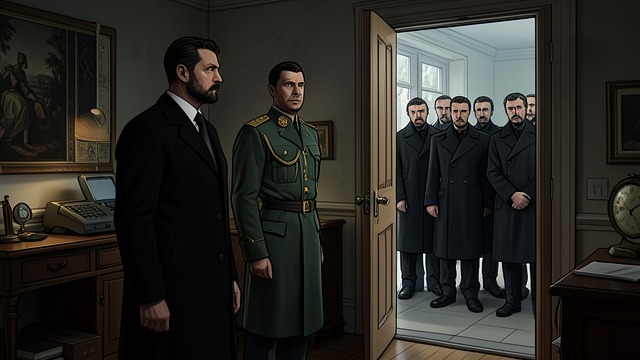
Mussolini Loses Control
The Pact Is Rejected
Mussolini signs a pacification agreement with the socialists, hoping to make fascism acceptable to the state. Provincial commanders reject it, fearing that peace would end their power and political purpose.
A Leader Steps Aside
Mussolini resigns from the central committee but remains indispensable. The rebellion reveals that the movement’s armed base can challenge its founder and make policy from the provinces.
A Party-Militia Compromise
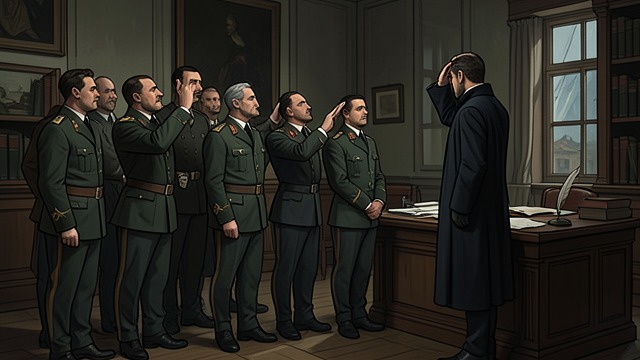
Centralization and Resistance
Building Institutions
After taking power, Mussolini supports a national militia to draw the squads into a centralized structure. Balbo is tasked with imposing examinations, ranks, and discipline on commanders.
The Old Culture Persists
The men have been trained in rebellion and violence, not administration. They resist examination, fight over offices, and treat loyalty as personal rather than institutional.
Farinacci’s Challenge
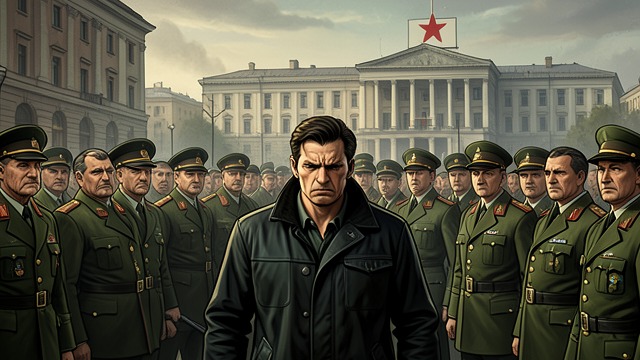
Intransigence from Cremona
A Rival Interpretation
Farinacci argues that fascism has betrayed its revolutionary beginnings and calls for renewed violence. His support among provincial hardliners gives him leverage over Mussolini.
Dependence and Threat
Mussolini threatens and disciplines Farinacci but cannot simply discard him. The dispute shows that the dictator’s authority still depends on the men whose methods he claims to control.
The Consuls’ Ultimatum
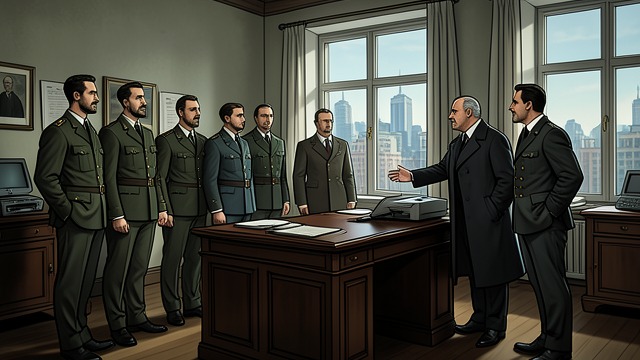
A Threat inside the Palace
The Militia Arrives
Thirty-three militia consuls confront Mussolini in his office and demand action against opponents. Their leader insists that the fascists will take responsibility for a new revolution if the Duce will not.
Authority Remains Contested
Mussolini tries to reassert command, but the visit exposes the limits of personal rule within an armed movement. He is left facing both external opposition and a faction that may act without his permission.
1920
August 1921
1921–1923
1923–1924
December 31, 1924
